Installer Meteastro
Ajoutez l'application à votre écran d'accueil pour profiter d'une expérience plein écran fluide.
Restez informé en temps réel des nouveautés en astronomie et météorologie directement sur votre appareil.

Ajoutez l'application à votre écran d'accueil pour profiter d'une expérience plein écran fluide.
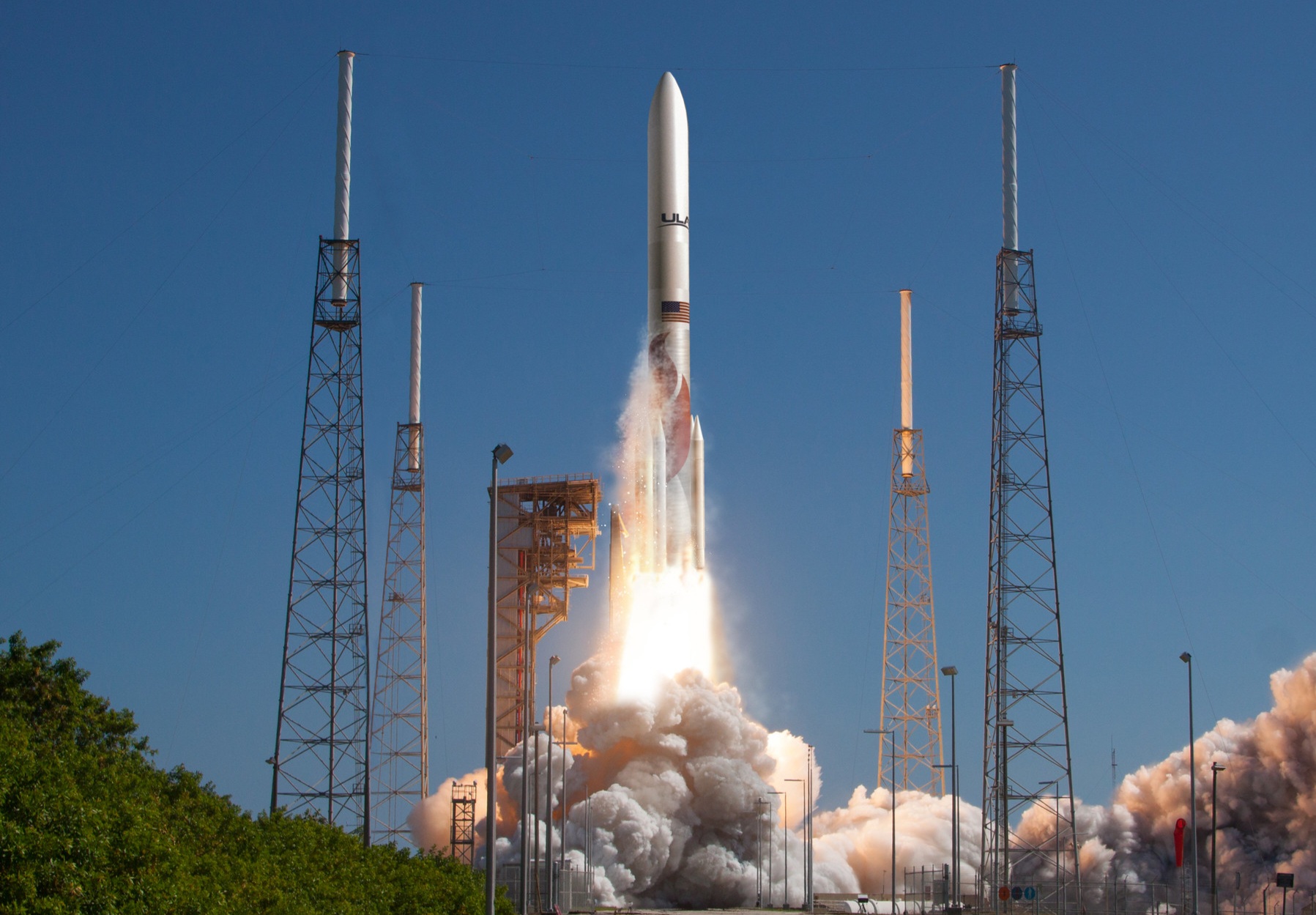
Amazon Leo, formerly known as Project Kuiper, is a mega constellation of satellites in Low Earth Orbit that will offer broadband internet access, this constellation will be managed by Kuiper Systems LLC, a subsidiary of Amazon. This constellation is planned to be composed of 3,276 satellites. The satellites are projected to be placed in 98 orbital planes in three orbital layers, one at 590 km, 610 km and 630 km altitude. 45 satellites will be carried on each Vulcan launch.
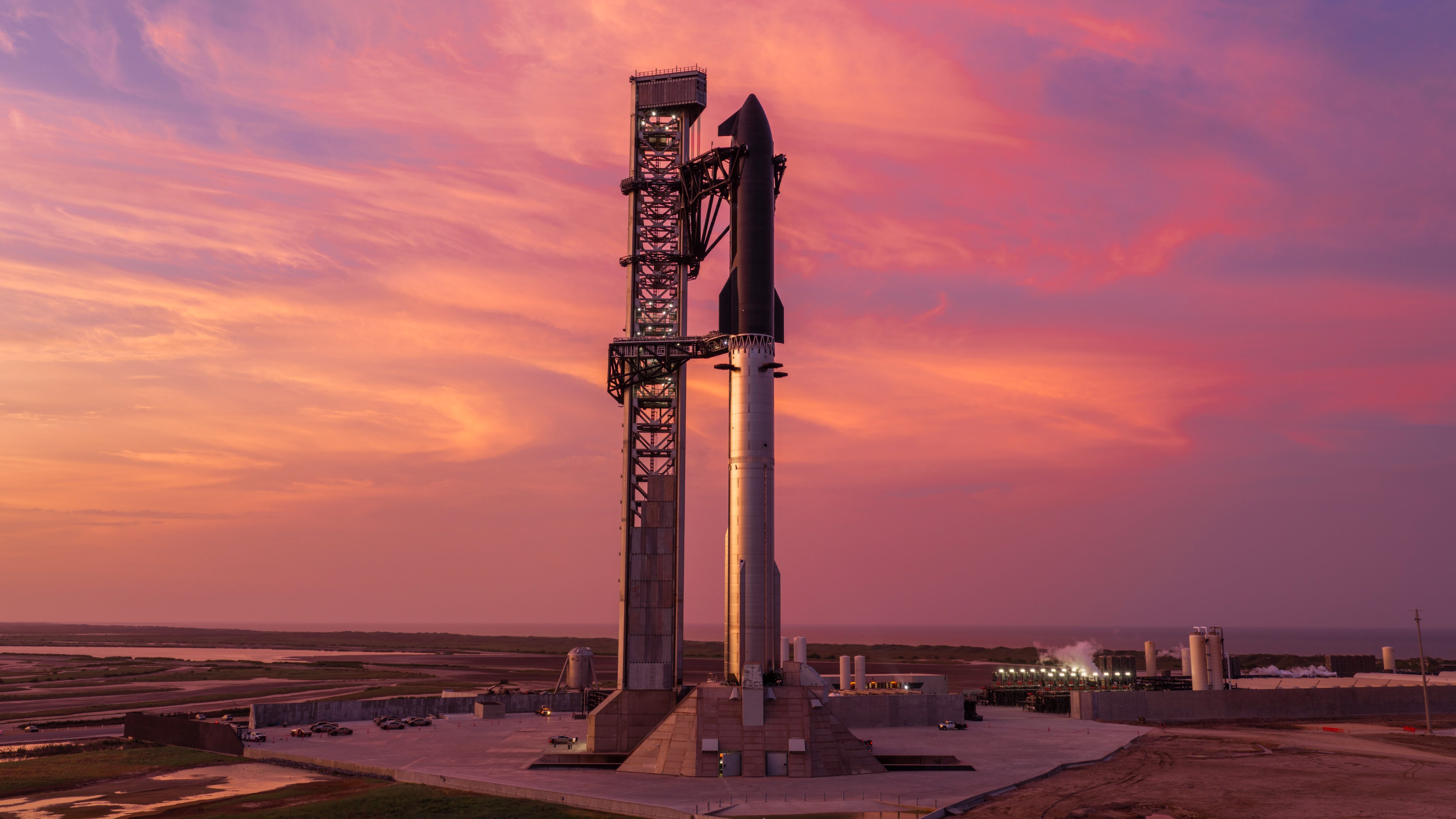
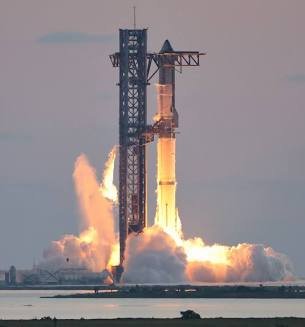
15th test flight of the two-stage Starship launch vehicle and 4th flight of Starship V3. Second Starship flight to deploy satellites (a group of Starlink satellites known as Starlink Group 31-2) into stable Low Earth Orbit and first ever to attempt returning the Starship 2nd stage back to the launch site. The ship is expected to fly at an altitude approximately 275 km above Earth and complete approximately 14 orbits around the planet for more than 22 hours, with the ship expected to attempt returning back to Starbase, Texas on its launch pad by pad arms catching. The booster’s primary test objective on Flight 15 will be executing a successful launch, ascent, stage separation, boostback burn, and landing by pad arms catching. This will also be the 1st Starship V3 booster to attempt returning to its launch site. Starship will deliver 26 Starlink V3 satellites to orbit for the second time, which aim to greatly expand the network's capacity and user speeds. Each Starlink V3 satellite will add 1 Tbps of capacity to the constellation. 3 of the satellites have been modified with a suite of cameras to scan Starship’s heatshield and transmit imagery down to operators.
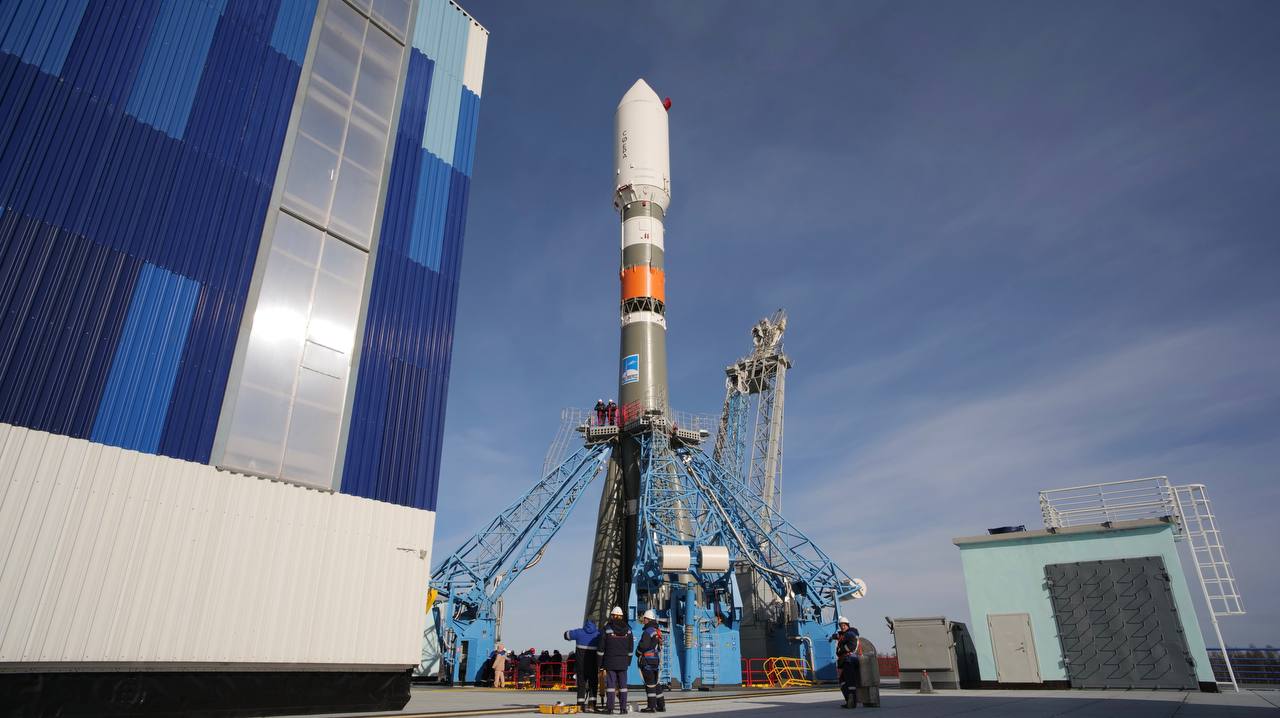
Share-ride of multiple satellites, including dual-use optical Earth observation satellites and drone-guiding satellites: * MKA Kinosputnik * KOEN, KA MT-LAB * NPO Kaisant 6U cubesat with a Germes modem * NPO Kaisant 16U cubesat with Gonets modems
Synthetic aperture radar Earth observation satellite for Japanese Earth imaging company iQPS.
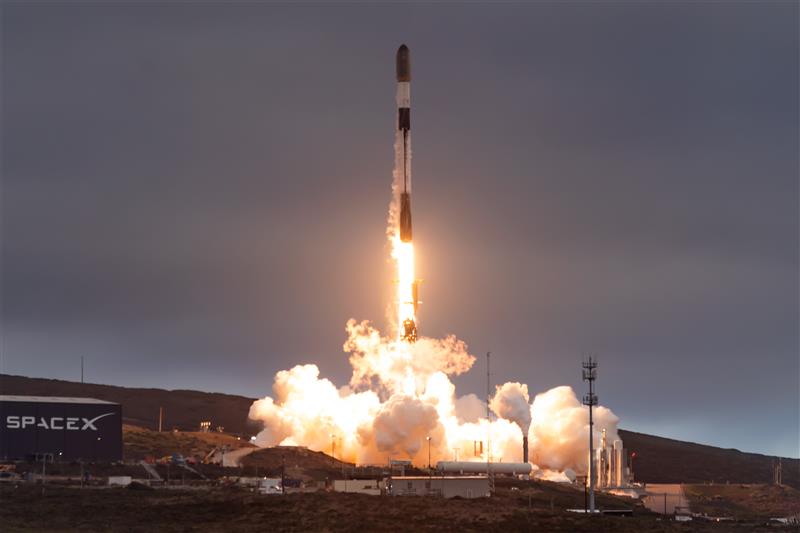
A classified mission for the United States Space Force. It is possibly a batch of classified LEO satellites based on SpaceX’s Starshield satellite bus, based on locations of rocket stage drop zones being exact fits with previous Starlink Group 15 launches.
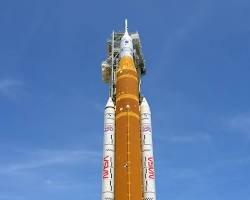
Source image : NASA — Illustration du vaisseau Ori...
DÉCODER LA SUITE →
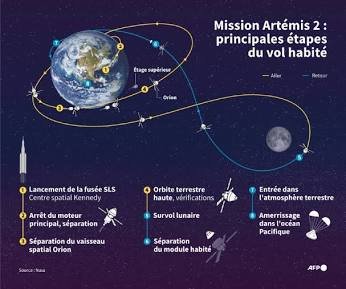
Source image : AFP / NASA — Schéma du vol habité...
DÉCODER LA SUITE →
Source image : Wikimedia Commons / SpaceX — DÉCODER LA SUITE →
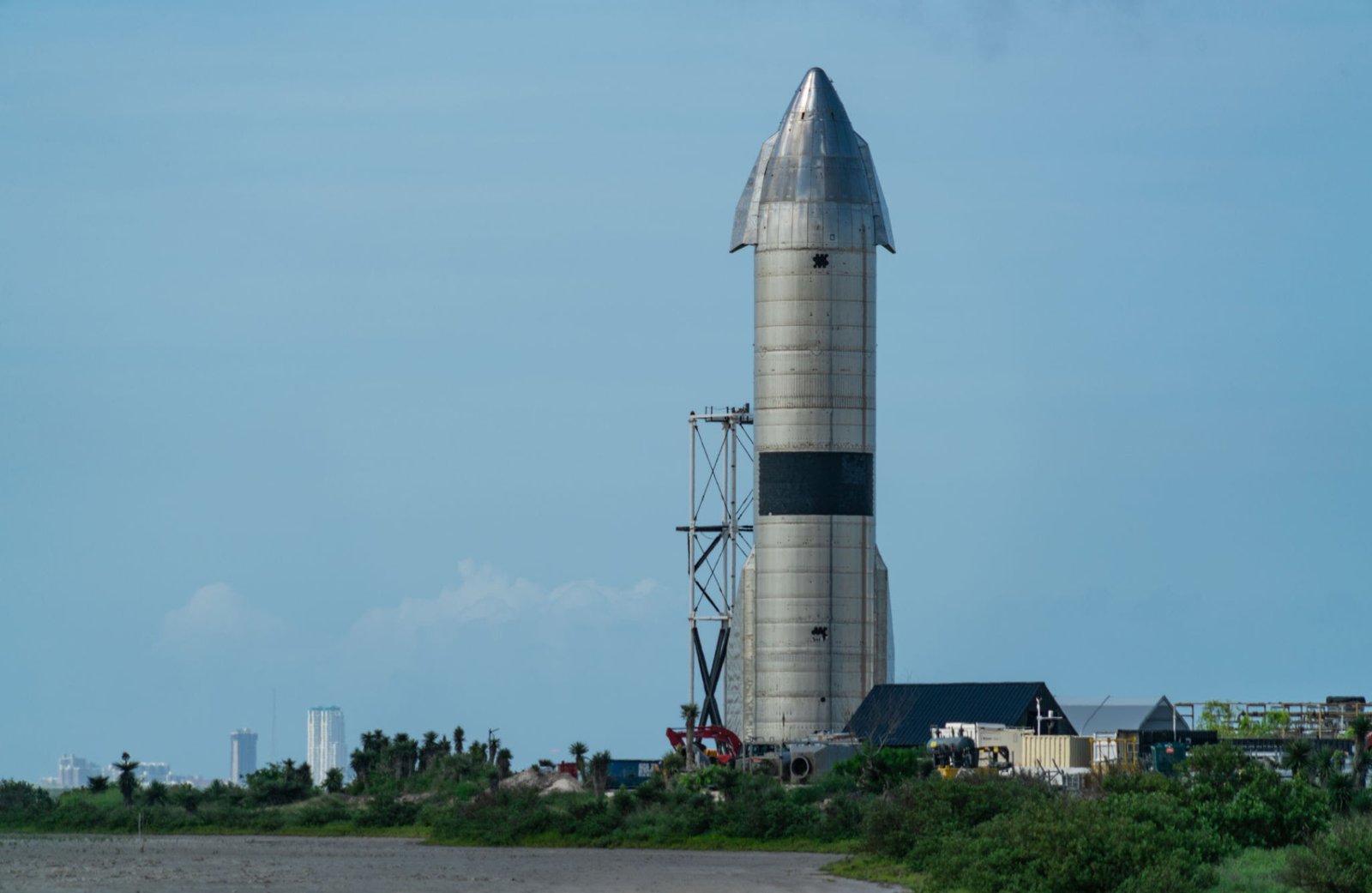
Source image : Getty Images / SpaceX — Vue du Star...
DÉCODER LA SUITE →
Source image : ESA / NASA — ...
DÉCODER LA SUITE →

En ce 1er mai 2026, en Charente-Maritime, nous observons la formation des cumulus. Certains se transforment en cumulonimbus avec la chal...
DÉCODER LA SUITE →
Envoyez une transmission directe à l'administrateur
Choisissez les données que vous souhaitez partager avec la station.
Promoted by Chosic
CC BY 3.0En accédant à ce site, vous acceptez d'être lié par ces termes et conditions et toutes les lois et réglementations applicables.
Vous pouvez utiliser notre site uniquement à des fins légales et d'une manière qui ne porte pas atteinte aux droits des autres utilisateurs.
Tous les contenus présents sur ce site (textes, graphiques, logos) sont la propriété de Meteastro.
Meteastro ne peut être tenu responsable des dommages résultant de l'utilisation de ce site.
Meteastro se réserve le droit de modifier ces termes à tout moment.